
- Why Video Marketing Works for Law Firms
- Types of Legal Videos That Generate Client Inquiries
- How to Produce Effective Legal Videos
- Optimizing Videos for Search and Discovery
- Short-Form Video and Platform-Specific Strategies
- Live Video and Webinar Marketing for Lawyers
- How to Repurpose Legal Video Content Across Channels
- Video Type Comparison
Law firms that ignore video marketing in 2026 are leaving qualified leads on the table. Research shows that 73% of potential clients prefer watching a short video to reading text when learning about legal services. Video creates a personal connection before the first consultation, addresses common objections, and demonstrates expertise in ways that written content simply cannot match.
The barrier to entry has never been lower. Attorneys can film professional-looking content using smartphones, optimize it for search engines, and distribute it across multiple platforms without hiring expensive agencies. The challenge isn’t technical—it’s strategic. Most law firms create videos that focus on what they want to say rather than what prospective clients need to hear.
Why Video Marketing Works for Law Firms
Potential clients research attorneys the same way they research everything else: by watching videos. Google prioritizes video results for legal queries, and YouTube functions as the second-largest search engine. When someone searches “what to do after a car accident” or “how long does probate take,” they’re often presented with video results above traditional web pages.
Video builds trust faster than any other medium. Seeing an attorney speak, observing their body language, and hearing their tone creates psychological proximity. A 2025 study by the National Law Review found that law firm websites with embedded video content saw 157% higher conversion rates from visitor to consultation request compared to text-only sites.
The medium also solves a fundamental problem in legal marketing: complexity. Estate planning, business formation, and personal injury claims involve nuanced processes that confuse most people. A three-minute explainer video can clarify what would take fifteen paragraphs to explain in writing, and viewers actually retain the information.
Video marketing compounds over time. A well-optimized video published today continues attracting clients months or years later. Unlike paid advertising that stops working when you stop paying, organic video content generates passive leads indefinitely.

Types of Legal Videos That Generate Client Inquiries
Not all videos produce equal results. Some formats consistently outperform others in converting viewers into paying clients.
Client Testimonial and Case Result Videos
Client testimonial videos for law firms remain the highest-converting format. Prospective clients trust peer experiences more than attorney promises. A former client explaining how you helped them through a difficult divorce or secured a favorable settlement carries more weight than any marketing copy.
Effective testimonials follow a specific structure: the client describes their initial problem, explains why they chose your firm, details their experience working with you, and shares the outcome. The best testimonials run 90 seconds to two minutes—long enough to tell a complete story but short enough to maintain attention.
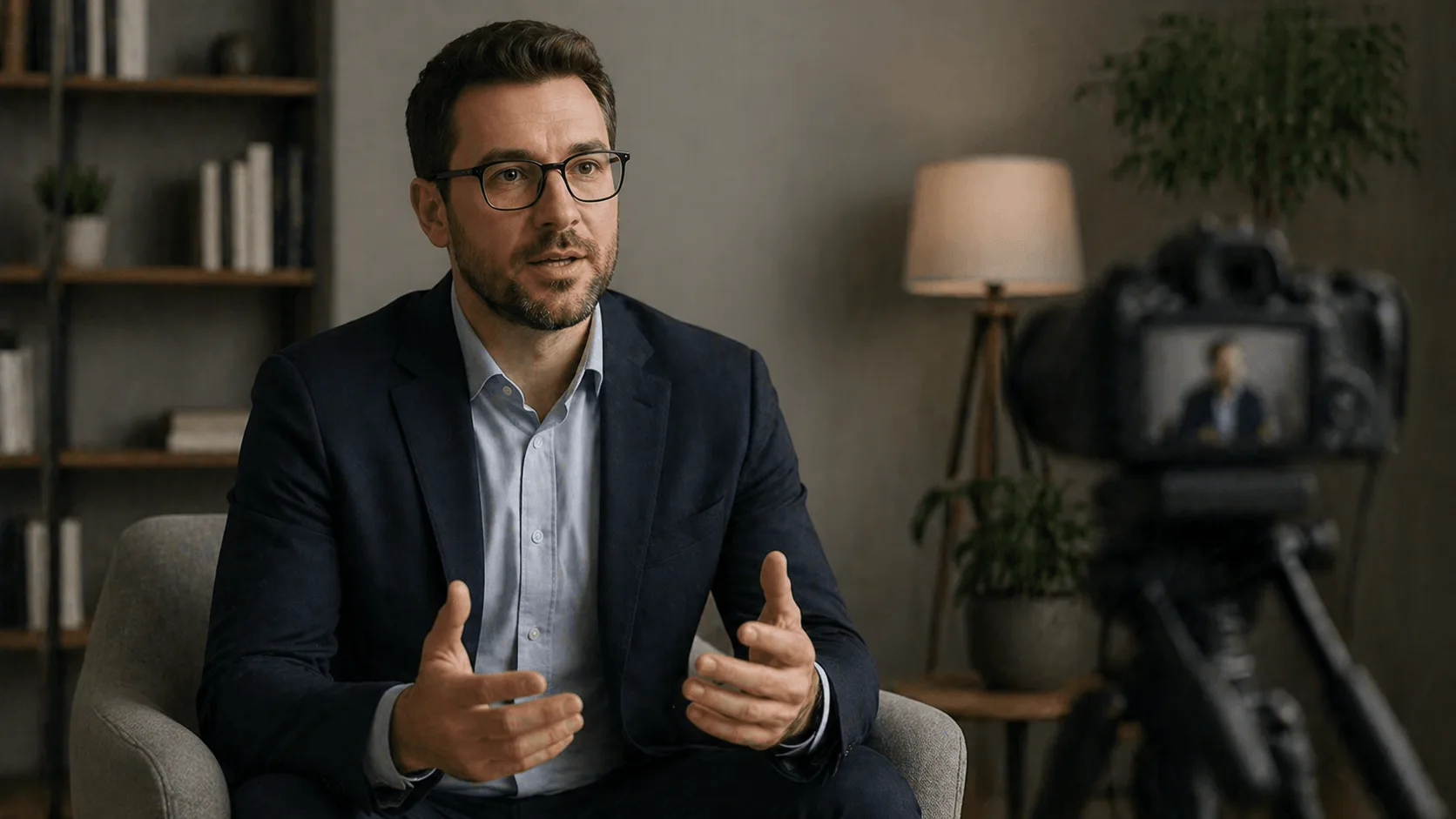
Case result videos work similarly but focus on outcomes rather than emotional journeys. A personal injury attorney might create a video explaining how they secured a $2.3 million settlement, walking through the legal strategy without revealing client identities. These videos demonstrate competence while respecting confidentiality.
One common mistake: asking clients to memorize scripts. Authentic, conversational testimonials convert better than polished, rehearsed statements that sound like advertising.
Legal Explainer Videos for Common Issues
How to produce legal explainer videos that actually attract clients starts with understanding search intent. People searching “how to file for bankruptcy” want clear, actionable information—not a sales pitch disguised as education.
Effective explainer videos address one specific question or process. “What happens during a DUI arrest in California” works better than “Everything you need to know about DUI law.” The focused approach ranks better in search results and serves viewers who need immediate answers.
The structure that converts: introduce the problem, explain the legal process in plain language, mention common mistakes people make, and end with a clear next step (usually scheduling a consultation). A criminal defense attorney might create a video explaining what to say—and not say—during a police traffic stop, establishing expertise while providing genuine value.
Visual aids matter. Screen recordings showing how to fill out court forms, simple diagrams explaining legal concepts, or B-roll footage illustrating scenarios help viewers understand complex information. You’re competing with other educational content, and production quality affects perceived credibility.
Attorney FAQ Videos
FAQ videos for attorney websites answer the questions prospects ask during initial consultations. Instead of typing the same answers repeatedly in emails, record video responses once and share them indefinitely.
The most effective FAQ videos address objections and concerns: “How much do you charge?” “How long will my case take?” “What if I can’t afford an attorney?” These questions indicate serious interest, and video answers feel more personal than FAQ text on a website.
Format options include single-question videos (30-60 seconds each) or compilation videos addressing multiple related questions. Single-question videos perform better for SEO because you can optimize each one for a specific search query. Compilation videos work well for website embedding where visitors want comprehensive information.
A family law attorney might create separate videos for “How is child custody determined in Texas?” “Can I modify a custody agreement?” and “What factors do judges consider in custody cases?” Each video targets a different search query while establishing the attorney as a knowledgeable resource.
Educational Content and Thought Leadership
Educational videos position attorneys as authorities in their practice areas. These videos analyze recent court decisions, explain changes in legislation, or provide strategic guidance on legal issues.
A business attorney might create a video explaining new LLC regulations, how recent tax law changes affect small businesses, or common contract clauses that cause disputes. The goal isn’t immediate client acquisition—it’s building authority that generates referrals and attracts higher-value clients.
Thought leadership content works best when it takes a position. Instead of neutrally explaining a legal development, share your professional opinion on what it means for your target audience. “Why the new data privacy law will hurt small businesses more than help them” generates more engagement than “Understanding the new data privacy law.”
How to Produce Effective Legal Videos
Production quality matters less than content quality, but both affect results. A smartphone, decent lighting, and clear audio produce acceptable results for most legal video formats.
Start with scripting. Write out key points but don’t memorize word-for-word scripts—you’ll sound robotic. Bullet points work better than full scripts for most attorneys. Know your opening line, main points, and closing call-to-action, but speak conversationally between those markers.

Lighting makes the biggest visual difference. Film facing a window during daytime or invest in a $40 LED panel. Avoid overhead lighting that creates shadows under your eyes. Audio matters more than video quality—viewers tolerate grainy footage but abandon videos with echo or background noise. A $20 lavalier microphone dramatically improves audio compared to built-in phone microphones.
Location choices communicate professionalism. Film in your office with bookshelves or diplomas visible in the background, or choose neutral settings like conference rooms. Avoid busy backgrounds that distract from your message. If filming at home, ensure the space looks professional—no unmade beds or dirty dishes in frame.
On-camera presence improves with practice. Look at the camera lens, not the screen showing your face. Speak slightly slower than normal conversation. Smile when appropriate—attorneys often look too serious on camera, which can seem unapproachable. Record multiple takes and choose the best one.
Compliance and ethics considerations vary by state bar association. Most jurisdictions prohibit guaranteeing outcomes, making misleading statements, or creating unjustified expectations. Client testimonials must follow specific rules—some states require disclaimers stating that past results don’t guarantee future outcomes. Review your state bar’s advertising rules before publishing any legal marketing content.
DIY production works for most content types, but consider professional videographers for high-stakes videos like firm introduction videos or complex explainer content requiring graphics and editing. A professional testimonial video might cost $1,500-$3,000, while a DIY version costs only your time.
Optimizing Videos for Search and Discovery
Creating great videos means nothing if your target audience never finds them. Video SEO and platform-specific optimization determine whether your content attracts clients or gets buried.
Video SEO for Attorney Websites
Video SEO for attorney websites starts with hosting decisions. Embedding YouTube videos on your website works well for most firms—YouTube’s infrastructure handles streaming, and Google owns YouTube, which may provide ranking benefits. Self-hosting gives you more control but requires more bandwidth and technical setup.
Optimize the webpage containing your video, not just the video itself. Include a transcript below the video—this provides text for search engines to crawl and helps hearing-impaired visitors. Write a descriptive introduction paragraph using relevant keywords naturally. Add schema markup to help search engines understand your video content.
Video titles should match search queries. “What to Do After a Car Accident in Miami” targets a specific search better than “Car Accident Tips.” Keep titles under 60 characters so they don’t get cut off in search results.
Thumbnails affect click-through rates significantly. Custom thumbnails with clear text overlays and professional headshots outperform auto-generated thumbnails. Test different thumbnail styles to see what resonates with your audience.
File names matter for local SEO. Instead of “video_final_v3.mp4,” use “dallas-divorce-attorney-child-custody-explained.mp4” before uploading. This small detail helps search engines categorize your content.
YouTube Strategy for Law Firms
A YouTube strategy for law firms differs from general video marketing. YouTube functions as a search engine, so optimization focuses on matching viewer search intent.
Create a branded channel with consistent visual elements—banner image, profile picture, and channel description that clearly states your practice areas and location. Organize videos into playlists by topic (Family Law, Estate Planning, Personal Injury) to keep viewers watching multiple videos.
YouTube titles should frontload keywords while remaining compelling. “How Long Does Probate Take in California? | Estate Planning Attorney Explains” works better than “Estate Planning Video #7.” Descriptions should include timestamps for different sections, relevant links to your website, and a call-to-action to schedule a consultation.
Tags help YouTube understand your content. Use a mix of broad tags (estate planning, probate attorney) and specific tags (how long does probate take in California, probate timeline). Include your city and state in tags for local visibility.
Engage with comments quickly. YouTube’s algorithm favors videos that generate discussion. Answer questions, thank viewers for watching, and encourage them to ask follow-up questions. This engagement signals to YouTube that your content is valuable.
Consistency matters more than frequency. Publishing one video weekly performs better than uploading five videos one month and nothing the next three months. YouTube’s algorithm rewards channels that maintain regular upload schedules.
Local SEO and Video Integration
For most law firms, local clients matter more than national visibility. Integrate video into your local SEO strategy by mentioning your city and state in video content, creating location-specific videos, and embedding videos on location pages of your website.
A personal injury firm with offices in three cities should create separate videos for each location: “What to Do After a Car Accident in Austin,” “What to Do After a Car Accident in Houston,” and so on. This approach targets location-specific searches while demonstrating local expertise.
Google Business Profile allows video uploads. Add short introduction videos (30-60 seconds) to your profile to stand out from competitors. These videos appear in map results and can influence which firm a potential client contacts.
Video marketing transformed our intake process completely. We went from explaining the same basic concepts in every consultation to having prospects arrive already educated about their options. Our consultation-to-retention rate increased from 42% to 71% within six months of implementing a strategic video content plan. The key was addressing the specific questions people ask during consultations and making those answers easily discoverable through search.
Jennifer Martinez
Short-Form Video and Platform-Specific Strategies
Short form video for legal practices exploded in popularity as attention spans shortened and platforms like TikTok, Instagram Reels, and YouTube Shorts gained massive audiences. These platforms require different approaches than traditional video marketing.
The constraint of 60 seconds or less forces clarity. You can’t explain complex legal concepts in depth, so short-form content works best for quick tips, myth-busting, or highlighting single facts. A criminal defense attorney might create a 30-second video titled “Never answer this question during a police stop” that delivers one memorable piece of advice.
Platform algorithms favor native content over reposts. Don’t just upload the same video to TikTok, Reels, and Shorts—adapt content for each platform’s culture and audience expectations. TikTok skews younger and appreciates humor, while LinkedIn Shorts (yes, LinkedIn added short video) works better for professional, business-focused content.
Hooks matter intensely in short-form video. You have one second to stop the scroll. Start with a provocative question (“Did you know you can be arrested for this common mistake?”), a surprising fact, or a bold statement. Bury the lead and viewers scroll past.
Text overlays compensate for viewers watching without sound. Add captions or text highlighting key points. Many viewers watch short-form content in situations where audio isn’t practical—during work breaks, in waiting rooms, or late at night.
Consistency and volume drive short-form success. Posting one Reel per week won’t move the needle. Successful attorneys post 4-7 short videos weekly, testing different topics and styles to see what resonates. Batch filming helps—record 10-15 short videos in one session, then schedule them throughout the month.
Trends and audio matter on TikTok and Reels. Using trending sounds increases visibility, but adapt trends to legal contexts rather than forcing awkward fits. If a trending format involves “things people don’t know about my job,” an immigration attorney could create a version explaining surprising aspects of visa applications.
Live Video and Webinar Marketing for Lawyers
Live video and webinar marketing for lawyers creates urgency and interactivity that pre-recorded content cannot match. The “live” element encourages immediate participation and positions you as accessible and confident.
Facebook Live, Instagram Live, LinkedIn Live, and YouTube Live each serve different audiences. Facebook Live reaches local community members, Instagram Live connects with younger prospects, LinkedIn Live targets business clients, and YouTube Live works for educational content with longer shelf life (live videos remain on your channel after streaming ends).
Live Q&A sessions address prospect questions in real time. Promote the session in advance (“Join me Tuesday at 6 PM for a live Q&A about estate planning”), encourage viewers to submit questions beforehand, and answer them during the broadcast. This format demonstrates expertise while building rapport.
Webinar topics that attract prospects solve specific problems: “How to Protect Your Assets Before Filing for Divorce,” “5 Estate Planning Mistakes That Cost Families Thousands,” or “What Business Owners Must Know About Employment Law in 2026.” Gate registration with email collection to build your marketing list.
Technical setup doesn’t need to be complex. StreamYard, Zoom, and similar platforms handle streaming to multiple destinations simultaneously. Test your setup before going live—audio problems or connection issues undermine credibility.
Promotion determines attendance. Announce the webinar two weeks in advance, send reminder emails, post countdown reminders on social media, and go live at consistent times so your audience knows when to expect you. Thursday evenings and Tuesday lunch hours tend to work well for legal webinars, though this varies by practice area.
Repurpose live content aggressively. Download the recording, edit out technical glitches or dead air, create shorter clips highlighting specific questions, and publish them as standalone videos. A one-hour webinar might generate 10-15 short clips for social media.

How to Repurpose Legal Video Content Across Channels
How to repurpose legal video content efficiently multiplies your return on production investment. One long-form video can generate dozens of content pieces across multiple platforms.
Start with a long-form video (10-20 minutes). This could be a webinar recording, detailed explainer video, or interview. Extract 5-10 short clips (30-90 seconds each) highlighting individual points or questions. Each clip becomes a standalone social media post.
Transcribe the full video using services like Otter.ai or Rev. Edit the transcript into a blog post, adding headers, formatting for readability, and including relevant links. This blog post serves SEO purposes and provides content for visitors who prefer reading.
Extract audio to create podcast episodes. Many potential clients consume content during commutes or workouts when video isn’t practical. Upload audio versions to podcast platforms, expanding your reach beyond video platforms.
Create quote graphics from memorable statements in your video. Pull a compelling 10-15 word quote, design a simple graphic with your branding, and share it on Instagram, LinkedIn, and Facebook. These graphics drive traffic back to the full video.
Email marketing integration extends video reach. Send video clips to your email list with context about why the topic matters. Include a clear call-to-action to watch the full video or schedule a consultation.
Social media snippets should tease rather than give away everything. Share enough value to demonstrate expertise but leave viewers wanting more information available in the full video. End clips with “Link in bio to watch the full video” or similar calls-to-action.
Platform-specific adaptation matters. A 90-second clip might work perfectly for LinkedIn but need trimming to 60 seconds for Instagram Reels. Vertical video (9:16 aspect ratio) performs better on mobile-focused platforms, while horizontal video (16:9) works for YouTube and website embedding.
Update and refresh evergreen content. A video about estate planning basics remains relevant for years, but you can create new short clips from it periodically, add updated introductions mentioning recent law changes, or combine segments from multiple videos into new compilations.
Video Type Comparison
| Video Type | Ideal Length | Production Difficulty | Best Platforms | Client Acquisition Potential | Estimated Cost Range |
|---|---|---|---|---|---|
| Client Testimonial | 90 seconds – 2 minutes | Low-Medium | Website, YouTube, Facebook | Very High | $0-$500 (DIY to semi-pro) |
| Legal Explainer | 3-5 minutes | Medium | YouTube, Website | High | $200-$2,000 |
| FAQ Video | 30-90 seconds each | Low | Website, YouTube, Social Media | Medium-High | $0-$300 per video |
| Live Webinar | 30-60 minutes | Medium | Zoom, YouTube Live, Facebook Live | Medium | $0-$1,000 (software + promotion) |
| Short-Form | 15-60 seconds | Low | TikTok, Reels, Shorts | Low-Medium | $0-$100 |
FAQs
Client testimonial videos consistently produce the highest conversion rates because they leverage social proof and emotional connection. Prospective clients trust peer experiences more than attorney marketing claims. FAQ videos and legal explainer videos that address specific pain points also convert well by demonstrating expertise and providing immediate value. The key is matching video type to where prospects are in their decision journey—awareness stage prospects need educational content, while decision-stage prospects respond better to testimonials and case results.
Costs vary dramatically based on production approach. DIY videos using a smartphone and basic equipment cost $50-$200 for one-time equipment purchases (microphone, lighting), then only your time per video. Semi-professional production using a freelance videographer runs $500-$1,500 per video. Full professional production with scriptwriting, multiple camera angles, and advanced editing costs $2,000-$5,000+ per video. Most law firms find success with a hybrid approach: DIY for frequent content like FAQ videos and professional production for high-impact pieces like firm introduction videos or complex explainers.
Most attorneys can successfully film videos themselves for the majority of content types. Modern smartphones produce adequate video quality, and basic equipment improvements (lighting, microphone) cost under $100. DIY production works especially well for FAQ videos, simple explainers, and regular content where authenticity matters more than polish. Consider hiring professionals for videos requiring advanced graphics, multiple locations, or when you lack time to learn basic editing. The production quality threshold for legal videos is lower than many attorneys assume—content quality and authenticity matter more than cinematic production values.
Video length should match platform and purpose. YouTube educational content performs well at 5-10 minutes when providing comprehensive information. Website-embedded videos should run 2-4 minutes to maintain attention while covering key points. Social media videos need to be 60-90 seconds maximum, with many platforms favoring even shorter content. Client testimonials work best at 90 seconds to 2 minutes—long enough to tell a complete story but short enough to hold attention. The rule of thumb: make videos as long as necessary to deliver value, but no longer. Engagement metrics will tell you if your videos are too long—watch time percentage and drop-off points reveal where viewers lose interest.
Ethical rules vary by state bar association, but common requirements include: no guarantees of specific outcomes, no misleading or deceptive statements, no creation of unjustified expectations, and accurate representation of qualifications and experience. Client testimonials often require disclaimers stating that past results don’t guarantee future outcomes. Some states require all advertising materials to include specific language or registration with the bar. Confidentiality rules apply—never reveal client information without explicit written permission, even in generalized case studies. Before publishing any video content, review your state bar’s advertising and solicitation rules, or consult with a legal marketing compliance specialist.
Track multiple metrics to understand video ROI. Direct metrics include consultation requests attributed to video (ask “How did you hear about us?” and track “saw your video”), video view counts, watch time percentages, and engagement rates (likes, comments, shares). Indirect metrics include website traffic from video platforms, time-on-site for pages with embedded video, and search ranking improvements for targeted keywords. Use UTM parameters in video descriptions to track traffic sources in Google Analytics. Calculate cost per acquisition by dividing total video production and promotion costs by the number of clients acquired through video channels. Most law firms see measurable ROI within 3-6 months of consistent video marketing, with compounding returns as video libraries grow and evergreen content continues attracting prospects.
Legal video marketing in 2026 isn’t experimental—it’s essential. Potential clients expect to see attorneys on video before scheduling consultations, and firms without video content lose opportunities to competitors who provide it.
Start with one video type that addresses your most common prospect question. Film it this week using equipment you already own. Optimize it for search, publish it on your website and YouTube, then create short clips for social media. Measure what happens. Refine your approach based on results.
The attorneys building sustainable practices aren’t necessarily the best lawyers—they’re the ones prospects can find, trust, and understand before the first phone call. Video makes that connection possible at scale. Your expertise matters, but only if potential clients discover it. Video marketing ensures they do.